Dispersed TOurism
What is Dispersed Tourism and why is it important?
Dispersed tourism is similar to the idea of dispersed camping. The idea of dispersed camping is to spread out traffic in an area so that camping sites can recover instead of becoming a mud pit. Dispersed tourism is the same concept expanding to fit the social sphere as well as the ecological sphere.
Research shows that a mass-scale tourism approach fails on two levels of analysis, one, on a regional level, mass tourism cannot address poverty on a region-wide basis as the traffic is concentrated in one small geographic location, and two, on a local level, mass-scale tourism not only fails to provide a meaningful, living wage to the majority of the residents, in the long run, it degrades people and place leaving an unsightly, unsolvable mess in its’ wake.
In the biological sciences, there is a well-known concept of carrying capacity. The concept posits that a limited place, in a limited space and time, can only receive a certain amount traffic before degradation begins.
Tourism is a powerful economic tool. Powerful enough to either uplift or destroy a region. Perhaps in most cases, to uplift first and obliterate shortly after. The task at hand is to determine how to harness this force for the greatest sustaining, generational economic and societal gain. The key is to guide efforts in such a way as to make tourism serve communities and to establish safety measures to prevent tourism from consuming communities and their places.
Instead of concentrating 12 million visitors into one geographic location, as Gatlinburg does, dispersed tourism means spreading out traffic to 120 communities across Eastern Kentucky, bringing economic investment to where it’s needed in manageable levels that support small businesses and long term economic prosperity.
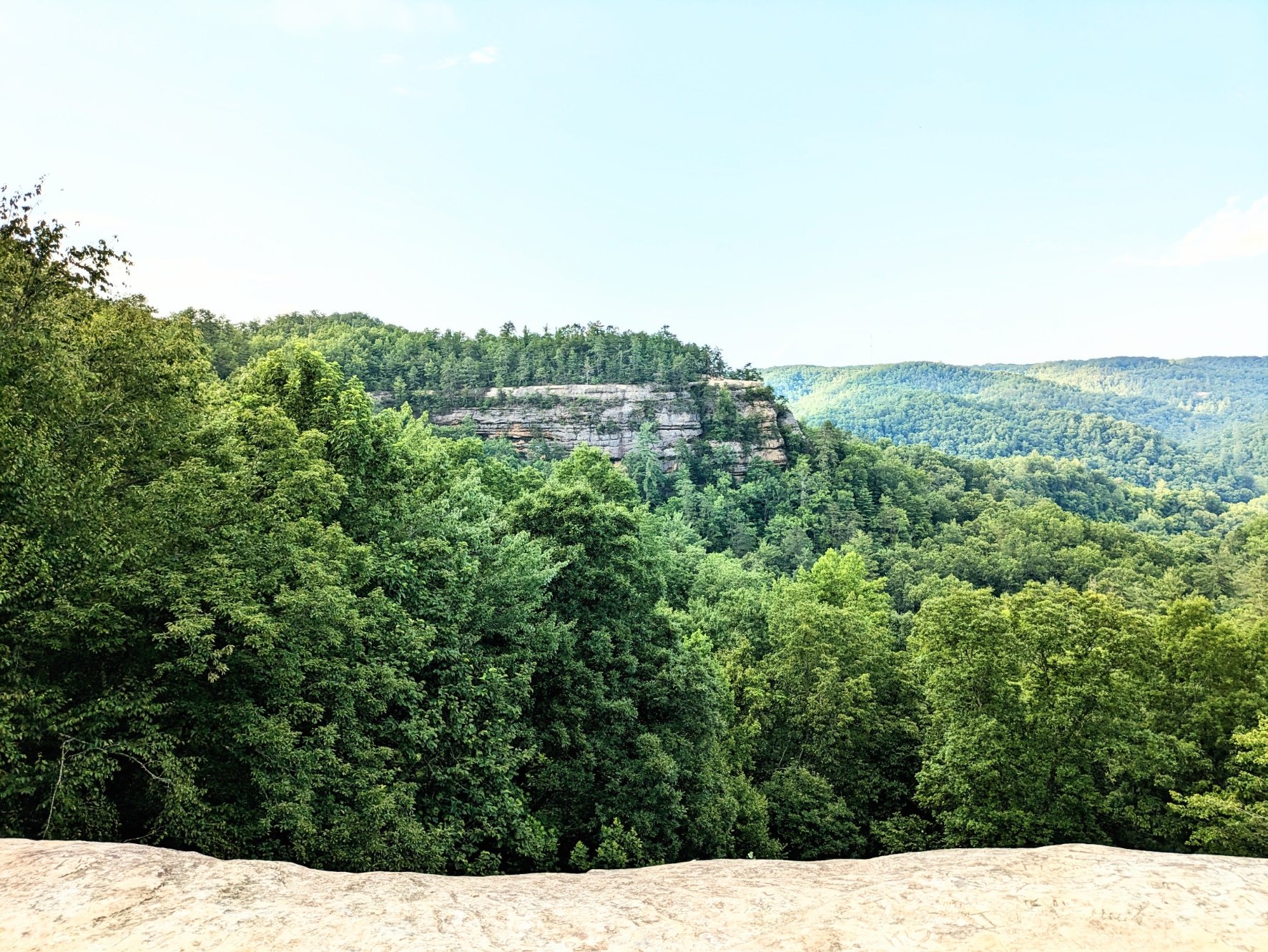
Eastern Kentucky is full of ecological, geographic, and cultural treasures. A dispersed tourism approach develops regional specialties already present in the region, instead of trying to develop amenities that may or may not attract tourists. From a regional approach, this might look like highlighting the top ten locations to explore birding, off-roading, music, hiking, boating, and hunting to name a few.
The Kentucky Bourbon Trail is a good example of a successful dispersed tourism approach. The RRG is another example of how local specialties can thrive. We need to highlight more of these, rather than commercializing their value and losing the unique appeal of the destination.